
Fall & Winter Tree Care
- Arco group

- Nov 24, 2024
- 2 min read
Updated: Dec 9, 2024

Fall and Winter is a great time to review your tree form and shape. It is also the best time to plan and for the spring growth. As the temperatures drop the deciduous trees transition to a dormant state to survive the winter.
These are some of the common care tips to best care for trees for fall to prepare for winter:

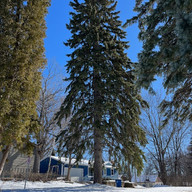



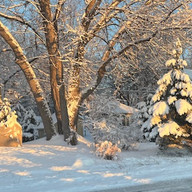
Fall Tree Care
Mulching: Apply a thin layer (no more than 2-3 inches) of organic mulch beneath the tree’s drip line to insulate soil and tree roots against temperature extremes and minimize moisture loss in spring.
Watering: Continue to water trees regularly until the ground freezes, especially for newly planted or young trees. Aim for consistent soil moisture, not saturation.
Pruning: Depends on the tree species, growing zone and geographic location. For some species, its ideal to prune trees in late fall/ early winter, as its easy to see the form of the tree and dead branches. Contrary, for other tree species, pruning in the fall can stimulate new growth that may not harden before winter. This poorly timed pruning cause the tree to expend energy on new growth that may be vulnerable to frost damage. It is best to consult an arborist to determine the best time to prune your trees.
Leaf cleanup: Rake up fallen leaves and remove them from the site to prevent pest and disease buildup. This will reduce the impact from fungus during a wet spring.
Fruit tree care: For fruit trees, remove any immature shriveled fruit (fruit mummies) to prevent disease spread.
Winter Tree Care
Mulching: Continue to maintain the mulch layer, keeping it away from the trunk to prevent moisture accumulation and pest habitation.
Watering: Stop watering trees a few weeks before the ground freezes to prevent ice formation on roots.
Protection from snow / frost damage for evergreen shrubs: Wrap the arborvitae or shrub branches with burlap. The burlap provides a surface to prevent the frost from developing on the branches. Additionally, the burlap provides a barrier to any snow with street de-icing chemicals to come in direct contact with the arborvitae / shrub branches.
Pest control: Monitor for pests and diseases, and take action if necessary. Rabbits and deer tend to eat the bark of young trees during the winter, as a food source.
Inspection: Have a certified arborist inspect your trees for overall safety and identify any potential issues.
By following these guidelines, you’ll be able to provide your trees with the necessary care during the fall and winter months, setting them up for a healthy and productive growing season in the spring.
References:


Comments